 Sign in
What is a funeral procession
The role of a funeral procession
A funeral procession is one of the most recognisable parts of a funeral, yet many people aren’t always sure what it represents or why it matters. For families across Lincolnshire, from our rural villages and coastal towns to our busy market communities, the procession is often a meaningful moment of reflection, respect and togetherness.
It marks the beginning of the final journey, offering a quiet space for people to gather their thoughts, honour their loved one and feel supported by those around them.
A procession is more than a practical way of travelling from one place to another. It is a gentle, dignified transition from the private world of grief to the shared act of remembrance.
For many families, it symbolises:
- A final act of accompaniment
- A moment to walk or travel alongside the person who has died
- A chance for neighbours, friends and the wider community to pay their respects
- A pause in the day where everything slows down
In Lincolnshire, where communities are close‑knit and people often know one another across generations, these moments can feel especially poignant.
A funeral procession typically begins at the funeral home, the family home or another meaningful location. The hearse leads the way, followed by family cars or mourners who choose to walk behind.
Depending on your wishes, the procession may:
- Travel through familiar streets or past places that held significance
- Pause outside a home, workplace or community space
- Include walking bearers or family members who wish to accompany the hearse on foot
Our colleagues at Lincolnshire Co‑op will guide you through each step, ensuring the pace, route and arrangements feel right for your family.
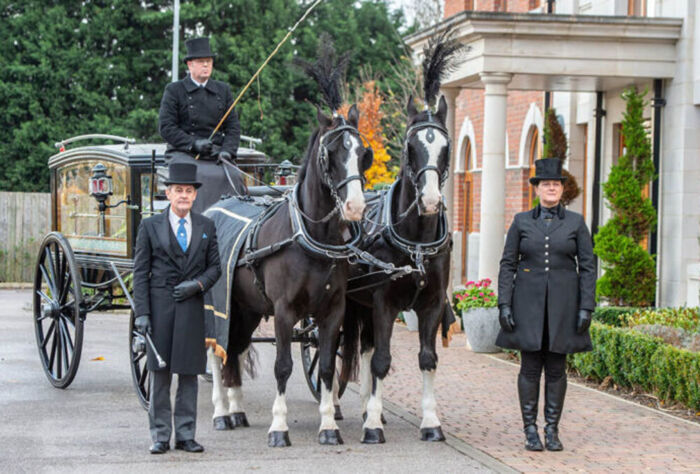
Every procession can be shaped to reflect the life and personality of the person who has died. Some families choose a traditional hearse; others prefer something more unique, such as a horse‑drawn carriage, motorcycle hearse or a favourite vehicle.
You may also wish to include:
- Flowers displayed on the hearse
- Music played at the starting point
- A particular route through a village or past a meaningful landmark
- Walking together as a family for part of the journey
These small touches can bring comfort and help you feel connected during a difficult moment.
In many parts of Lincolnshire, it is still common for people to stop, stand quietly or bow their heads as a procession passes. This simple act of respect can mean a great deal to grieving families.
Whether it’s neighbours stepping out of their front doors, local shopkeepers pausing their work or passers‑by waiting patiently, these gestures reflect the kindness and solidarity that characterise our county.
Our funeral directors take great care in planning and leading the procession. They ensure everything runs smoothly, from coordinating timings to guiding mourners gently through each stage.
Because our colleagues live and work in the same communities they serve, they understand the roads, the traditions and the local customs that matter to families across Lincolnshire. Their role is to support you with compassion, clarity and respect.
A funeral procession is a moment of quiet dignity, a way to honour a life, bring people together and begin the journey toward saying goodbye. If you’d like help planning a procession that feels meaningful for your family, your local Lincolnshire Co‑op funeral director is here whenever you need us.
Find your nearest funeral home
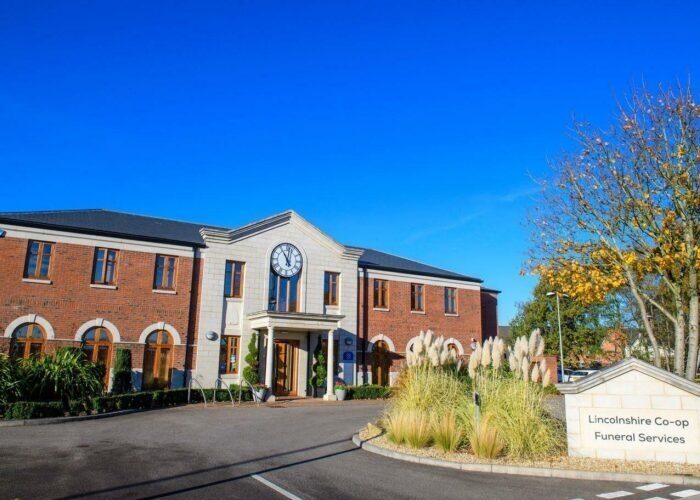
Our local teams are here to support you every step of the way
Find a funeral home
 Our use of cookies